Decision Making in Python (if , if..else, Nested if, if-elif)
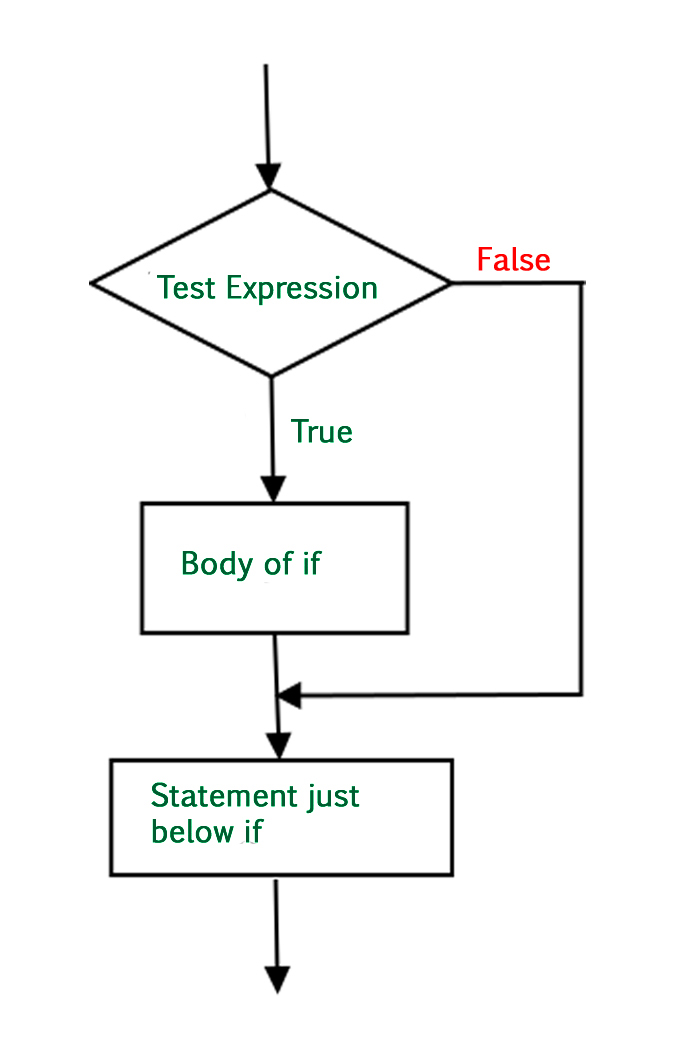
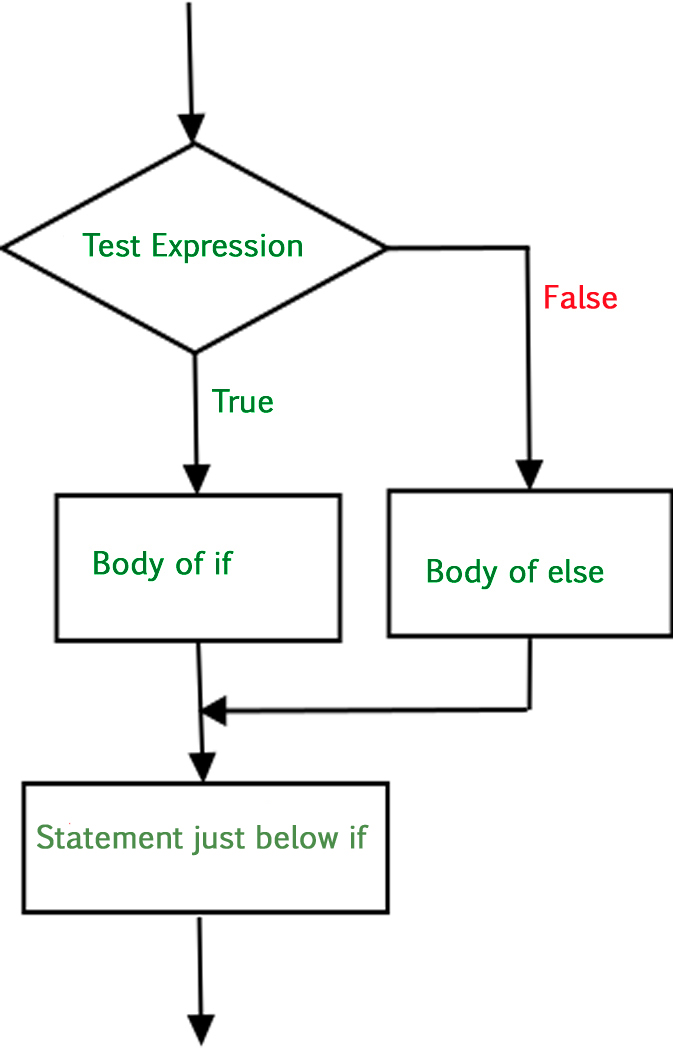
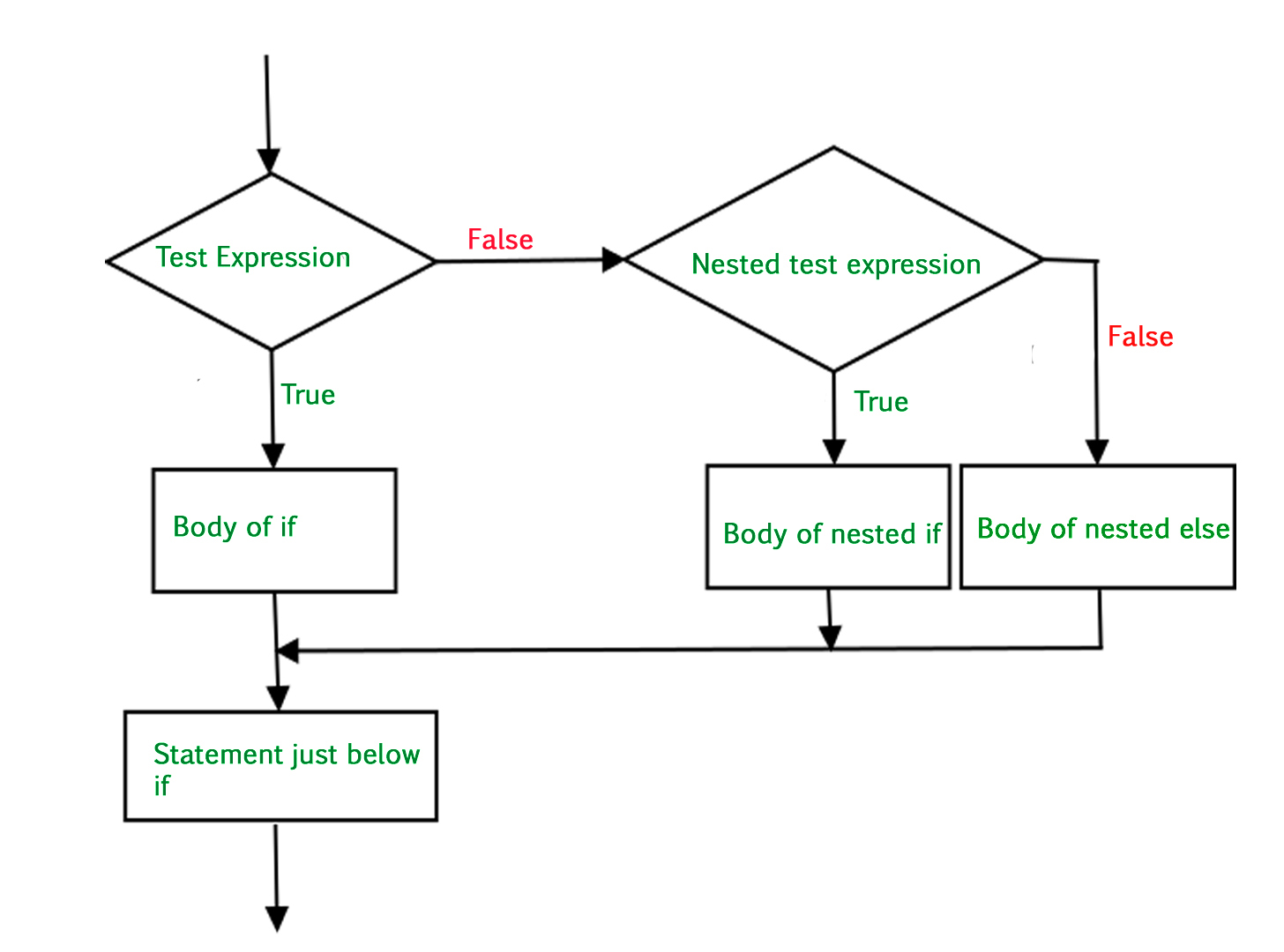
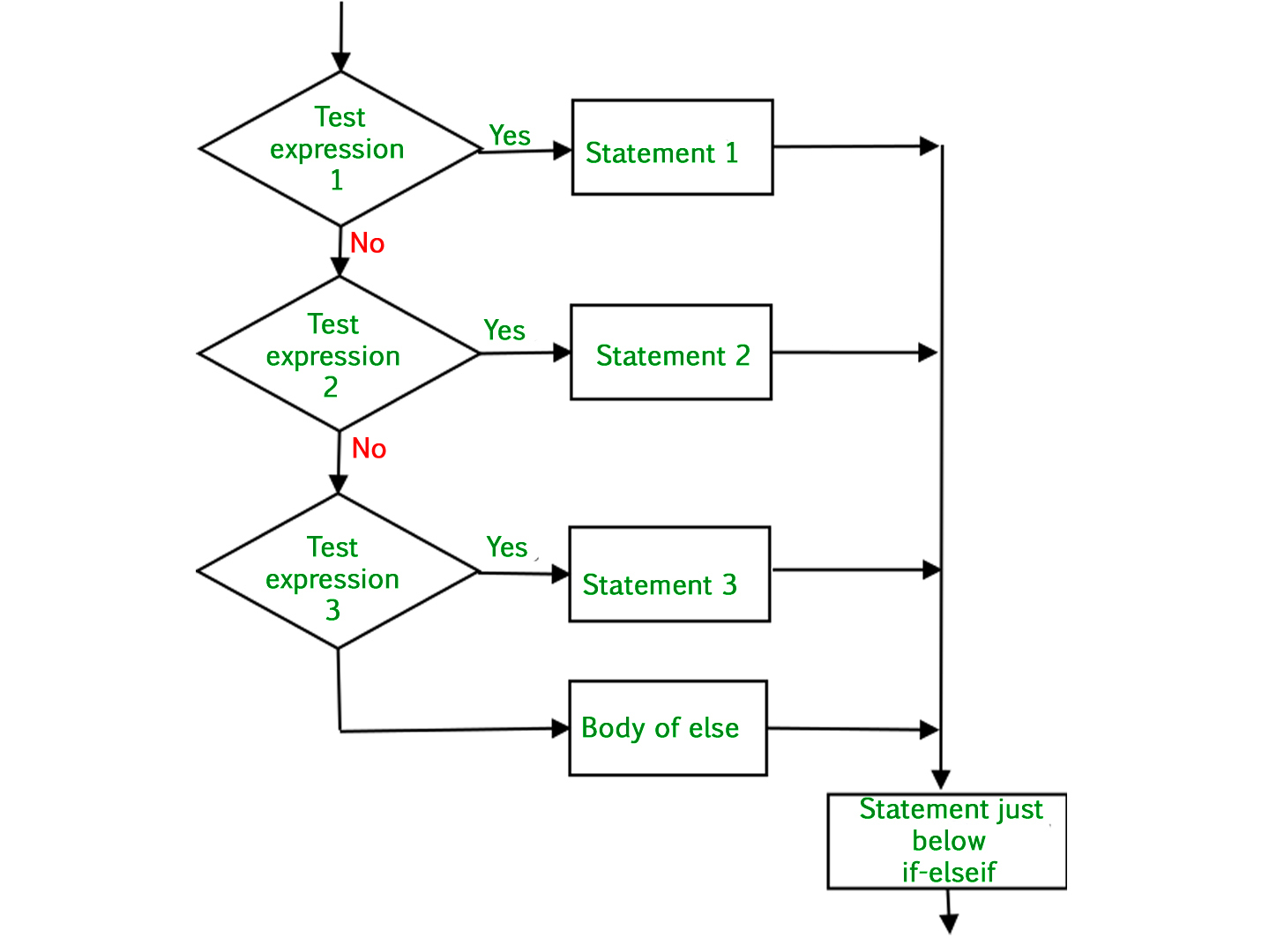
There comes situations in real life when we need to make some decisions and based on these decisions, we decide what should we do next. Similar situations arises in programming also where we need to make some decisions and based on these decision we will execute the next block of code.Decision making statements in programming languages decides the direction of flow of program execution. Decision making statements available in python are:if-elif ladderif statementif statement is the most simple decision making statement. It is used to decide whether a certain statement or block of statements will be executed or not i.e if a certain condition is true then a block of statement is executed otherwise not.Syntax:if condition: # Statements to execute if # condition is trueHere, condition after evaluation will be either true or false. if statement accepts boolean values – if the value is true then it will execute the block of statements below it otherwise not. We can use condition with bracket ‘(‘ ‘)’ also.As we know, python uses indentation to identify a block. So the block under an if statement will be identified as shown in the below example:if condition: statement1 statement2 # Here if the condition is true, if block # will consider only statement1 to be inside # its block.Flowchart:-# python program to illustrate If statementi = 10if (i > 15):print ("10 is less than 15")print ("I am Not in if")OUTPUT:I am Not in ifAs the condition present in the if statement is false. So, the block below the if statement is not executed.The if statement alone tells us that if a condition is true it will execute a block of statements and if the condition is false it won’t. But what if we want to do something else if the condition is false. Here comes the else statement. We can use the else statement with if statement to execute a block of code when the condition is false. Syntax:if (condition): # Executes this block if # condition is true else: # Executes this block if # condition is falseFlow Chart:-# python program to illustrate If else statementi = 20;if (i < 15):print ("i is smaller than 15")print ("i'm in if Block")else:print ("i is greater than 15")print ("i'm in else Block")print ("i'm not in if and not in else Block")OUTPUT:i is greater than 15i'm in else Blockm not in if and not in else BlockThe block of code following the else statement is executed as the condition present in the if statement is false after call the statement which is not in block(without spaces).A nested if is an if statement that is the target of another if statement. Nested if statements means an if statement inside another if statement. Yes, Python allows us to nest if statements within if statements. i.e, we can place an if statement inside another if statement.Syntax:if (condition1):# Executes when condition1 is trueif (condition2):# Executes when condition2 is true# if Block is end here# if Block is end hereFlow chart:-# python program to illustrate nested If statementi = 10if (i == 10):# First if statementif (i < 15):print ("i is smaller than 15")# Nested - if statement# Will only be executed if statement above# it is trueif (i < 12):print ("i is smaller than 12 too")else:print ("i is greater than 15")OUTPUT:i is greater than 15i is smaller than 12 tooHere, a user can decide among multiple options. The if statements are executed from the top down. As soon as one of the conditions controlling the if is true, the statement associated with that if is executed, and the rest of the ladder is bypassed. If none of the conditions is true, then the final else statement will be executed.Syntax:-if (condition):statementelif (condition):statement . . else:statementFlow Chart:-# Python program to illustrate if-elif-else ladderi = 20if (i == 10):print ("i is 10")elif (i == 15):print ("i is 15")elif (i == 20):print ("i is 20")else:print ("i is not present")OUTPUT:i is 20.THATS ALL ABOUT BASIC CONDITIONING.
Thursday, November 7, 2019
CONDITIONALS IN PYTHON.

Subscribe to:
Post Comments (Atom)
recent one
-
Program Development Life Cycle (PDLC): Program Development Life Cycle (PDLC) or Python programming cycle - is a systematic way o...
-
Sieve of Eratosthenes: Sieve of Eratosthenes is used to get all prime number in a given range and is a very efficient algorithm . ...
-
 Python -->> is a widely used general-purpose, high level programming language. It was initially designed by Guido van Rossum in 19...


Thanks for sharing an information to us.
ReplyDeletepython Online Training